

How We Keep Children Healthy: Illness Policies, Cleaning Routines, and Preventing Germs in Daycare
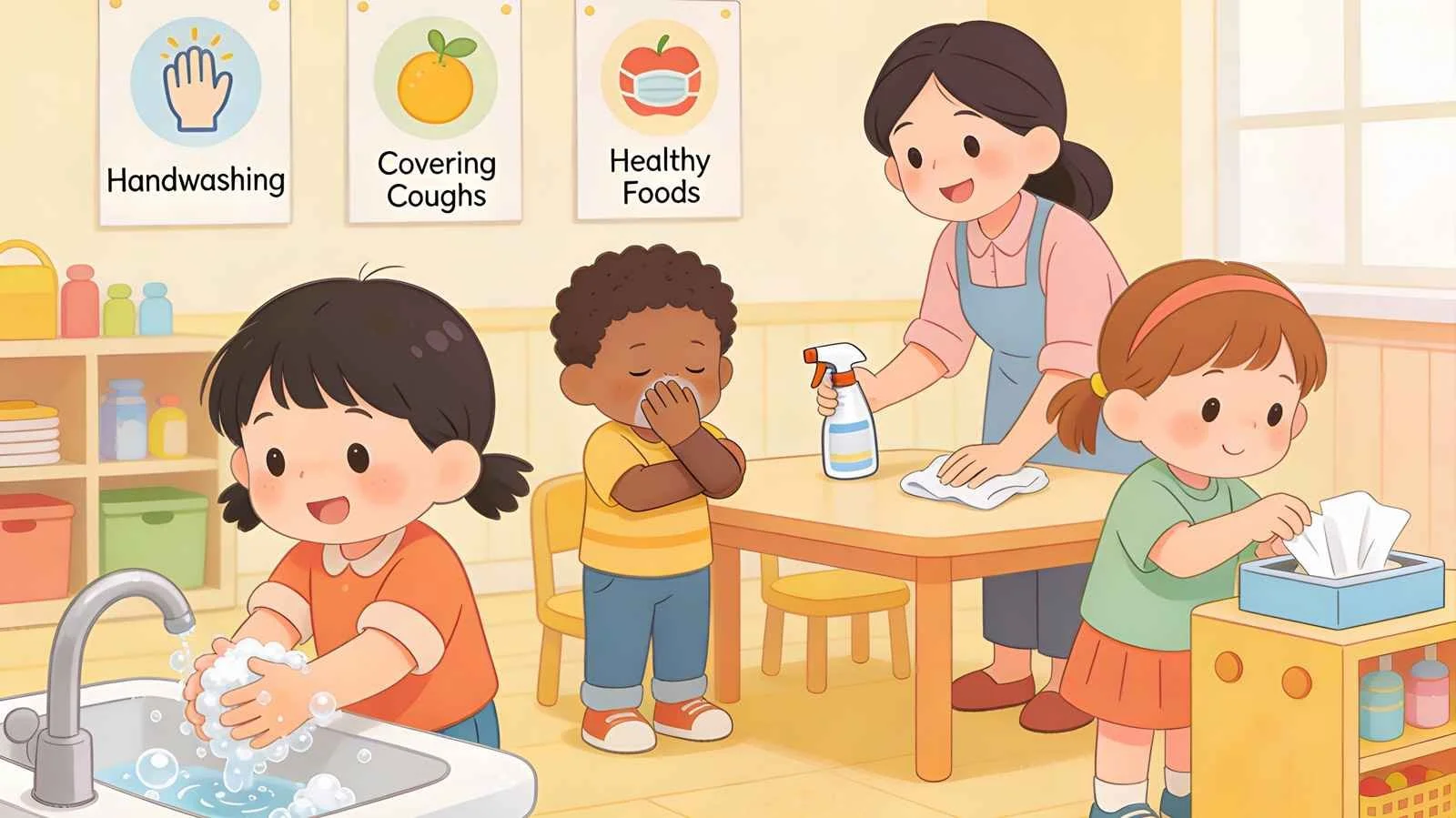
When you're choosing a daycare or preschool in Pinellas Park, one of your biggest concerns is probably this: "Will my child stay healthy?" It's a totally valid worry. Group care environments bring together children from different homes, exposing kids to more germs and viruses than they might encounter otherwise. The good news? At Brilliant Little Minds Early Childhood Learning Center, keeping your child healthy isn't just something we do—it's fundamental to who we are and how we operate every single day.
Health and Safety Are at the Heart of Our Daycare
Parents naturally worry about illness in group settings, and that concern deserves to be taken seriously. Here's the truth: germs are part of childhood, and exposure to a variety of environments actually helps build strong immune systems. But there's a huge difference between normal childhood exposure and an environment where preventable illnesses spread rapidly.
At Brilliant Little Minds, we believe that quality early childhood education must be built on a foundation of health and safety. Where every child is family—and that means we treat the wellbeing of your child with the same care and attention you would at home. We've created comprehensive systems and routines that significantly reduce the spread of illness while keeping our classrooms open, welcoming, and full of learning and laughter.
Throughout this article, we're going to walk you through three essential pillars that keep our Pinellas Park early childhood learning center healthy:
Illness policies that clearly explain when children need to stay home and when they can return
Daily cleaning routines that target high-touch surfaces and spaces where germs love to hide
Healthy habits that we teach and reinforce with children and staff every single day
When you understand these practices, you'll see why so many Pinellas Park families trust us with their little ones. If you're still researching what to look for in a quality daycare, health and safety protocols should be at the top of your list.
Clear Illness Policies That Protect Our School Community
One of the most important things we do to keep our center healthy is having clear, compassionate illness policies that all families understand and follow. These aren't rules meant to be strict—they're guidelines designed to protect every child in our care, our dedicated staff, and the overall health of our school community.
Want to learn more about what sets quality childcare apart? Read our ultimate parent's guide to childcare in Pinellas County for comprehensive insights into choosing the right center for your family.
When Children Need to Stay Home
Here's something every parent needs to know: if your child is sick, keeping them home is one of the single best things you can do. We know it's not always convenient. You might have work, errands, or a packed schedule. But when a child has symptoms like fever, vomiting, diarrhea, or a contagious infection (like pink eye or hand-foot-and-mouth disease), they really do need to stay home.
Why? Because a sick child in our infant program, toddler daycare, or any of our classrooms spreads illness quickly to other children who have weaker immune systems. When we work together on this, we reduce outbreaks, keep our classrooms running smoothly, and make sure every child gets the care and rest they need to feel better fast.
Return-to-Care Guidelines
We want your child back in our classrooms as soon as it's safe. That's why we have clear return-to-care guidelines that take the guesswork out of the process. Generally, children should be symptom-free for at least 24 hours without fever-reducing medication before returning. For certain illnesses—like strep throat, pink eye, or chickenpox—we may ask for a doctor's note confirming treatment has started or the contagious period has passed.
These guidelines help us balance keeping your child with their friends and teachers while protecting everyone else. When you're unsure whether your child is ready to return, our team is always happy to discuss it with you.
How We Communicate With Families About Illness
Communication is everything. During cold and flu season, we share regular reminders with families about illness prevention and what symptoms should keep a child home. If a contagious illness appears in one of our classrooms, we notify families promptly so you can watch for symptoms at home and take extra precautions if needed.
We also encourage open, ongoing conversations between teachers and parents. If your child wakes up with a runny nose or slight cough, tell us. Let our team know about any exposure to illness you've had at home. This teamwork helps us stay proactive and responsive.
Daily Cleaning Routines in Our Classrooms
You could have the best illness policy in the world, but without thorough cleaning routines, germs would still run wild. That's why our cleaning practices are rigorous, consistent, and built into every part of our day.
Understanding teacher-to-child ratios is also critical for maintaining cleanliness and safety. Learn more about why infant-to-teacher ratios matter in our detailed guide to Florida childcare standards.
High-Touch Surfaces and Toys
Think about what kids touch all day: toy blocks, doorknobs, light switches, table edges, climbing structures. These high-touch surfaces are germ magnets. Our teachers and support staff clean and sanitize these areas multiple times throughout the day—not just once at the end of the day, but during transitions, after activities, and whenever toys have been used by different children.
Toys that go in children's mouths (teething rings, pacifiers, soft toys) are rotated out regularly and thoroughly sanitized. Shared toys that many children use are also sanitized frequently. We don't just wipe things down quickly—we use appropriate disinfectants proven to eliminate common viruses and bacteria, giving you real peace of mind about the safety of our preschool programs.
Diapering, Bathrooms, and Handwashing Areas
For our youngest learners, diapering areas need to be absolutely spotless. Our staff disinfect changing tables and surrounding surfaces after every single diaper change. Gloves are used, and diapers are disposed of properly in sealed, designated containers. Hands are washed thoroughly after each change—even with gloves on.
Our bathrooms are checked and cleaned frequently throughout the day. Toilet seats, sinks, faucet handles, and door handles are all sanitized regularly. Handwashing stations are stocked with soap, paper towels, and everything children need to wash properly. We make sure bathrooms aren't just clean—they're inviting and accessible for little learners.
If you're preparing for infant care, check out our guide on what to bring to infant daycare to ensure you're fully ready for drop-off.
Naptime, Bedding, and Personal Items
Rest time is sacred, and rest areas need to be clean and hygienic. Each child in our 3-4 year old daycare and younger programs has their own assigned cot or crib, and bedding is stored separately (never mixed with other children's items). Sheets, blankets, and pillows are washed on a regular schedule—usually weekly, or more frequently if a child has been ill.
We also encourage families to label all personal items and communicate clearly about any bedding that needs special handling due to allergies or sensitivities.
Teaching Healthy Habits to Little Learners
Cleaning is only half the battle. The other half is teaching children to develop healthy habits that protect themselves and others. Kids are natural learners, and when we make these routines fun and consistent, healthy behaviors stick.
Our approach to teaching healthy habits is rooted in play-based learning, which helps children understand why these practices matter while making them fun and memorable.
Handwashing Routines Throughout the Day
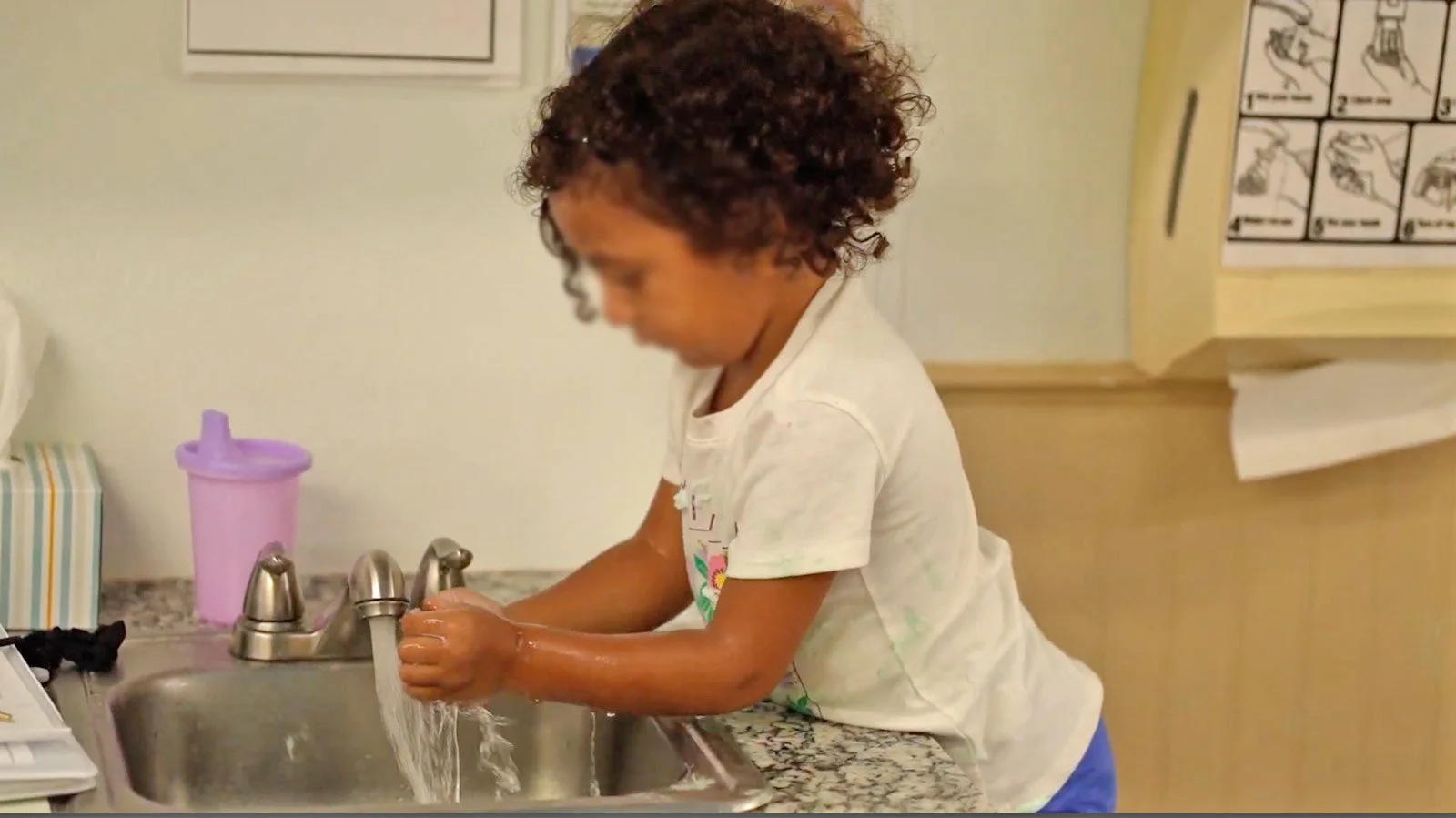
Handwashing is our secret weapon against germs, and we build it into our daily rhythm. Children and staff wash hands at key times throughout the day: when they arrive at our infant, toddler, or preschool program, before meals and snacks, after using the bathroom, after outdoor play, and after coughing or sneezing.
To make handwashing fun, our teachers use child-friendly songs and visual reminders to teach the proper steps: wet hands, apply soap, scrub for 20 seconds (we count or sing!), rinse, and dry. When handwashing is playful and routine, kids start doing it automatically—even at home.
Modeling Cough and Sneeze Etiquette
We teach children to use tissues and cover their coughs and sneezes with their elbows (the "vampire sneeze"). Teachers model this behavior constantly, and then praise children when they do it. After coughing or sneezing, it's an immediate trip to wash hands. It might seem simple, but this one habit prevents so many illnesses from spreading.
Keeping Shared Spaces Tidy
Children love to help, and we put that to good use. Age-appropriate cleanup routines—like putting toys in bins, wiping small spills with a supervising adult's help, and straightening up areas before transitions—teach responsibility while supporting cleanliness. Kids feel proud when they're part of keeping their classroom nice.
Preventing Germs Beyond Cleaning
Health isn't just about what we clean; it's about creating an environment where children's bodies are strong and resilient.
Our commitment to holistic child development means we focus on all aspects of wellness. Discover how we support early childhood education and development beyond just physical health.
Class Sizes, Ratios, and Room Layout
We maintain appropriate adult-to-child ratios in all our age-appropriate classrooms, which means more eyes and hands for supervision, comfort, and keeping spaces organized. Our rooms are also designed with enough space for children to play and explore without being packed too closely together—this naturally limits close-contact spread of illness.
Fresh Air, Outdoor Play, and Active Time
Fresh air is medicine. We prioritize daily outdoor play and active movement, which supports strong immune systems and overall wellness. Time outside gives children a mental break, burns energy, and exposes them to natural elements that help build immunity.
Nutrition, Hydration, and Rest
Healthy children are well-fed, well-hydrated children. We serve nutritious meals and snacks throughout the day and encourage children to drink plenty of water. Consistent nap and rest routines are also essential—when children get enough sleep, their bodies are much better equipped to fight off illness. Learn more about age-appropriate developmental milestones in our developmental profiles by age.
Partnering With Pinellas Park Families to Keep Kids Healthy
Health at Brilliant Little Minds isn't just our responsibility—it's something we do together with you.
If you're choosing between childcare options, our ultimate guide to toddler daycare in Pinellas Park & St. Petersburg can help you understand what to expect and what questions to ask.
Working Together on Prevention
Please follow our illness policies and keep your child home when they're sick. Label all personal items so nothing gets mixed up between children. Share health updates and exposure information with our center—the more we know, the better we can respond. When families and staff work as a team, everyone stays healthier.
Supporting Children When They're Not Feeling Their Best
Even with our best efforts, kids still get colds and viruses sometimes. When a child in our infant daycare in Pinellas Park or any of our classrooms seems under the weather, our teachers offer extra comfort, choose calm activities, and monitor closely. If a child needs to go home, we contact you right away. We want to ensure they receive attention and also protect the health of rest of the children.
Have questions about our policies? Want to discuss a health concern? Our director and team are always available to talk. That's what partnership looks like.
A Caring, Professional Team Focused on Health and Safety
Our staff isn't just trained in childcare—they're trained in health, safety, and infection control. Our team completes regular training on illness prevention, proper sanitizing techniques, and best practices aligned with Florida and Pinellas childcare health and safety guidelines. When you choose Brilliant Little Minds, you're choosing a center where health and safety are taken seriously by dedicated professionals who care.
Interested in joining our mission? Learn about career opportunities at Brilliant Little Minds and how we support our early childhood education team.
See Our Clean, Welcoming Classrooms for Yourself
Numbers and policies are one thing. But seeing our center in person is different. We'd love to invite you to tour our classrooms, walk through our common areas, and talk directly with our staff about health practices and daily routines. You'll see our cleaning in action, meet the people who will care for your child, and feel the warm, nurturing environment we've created.
Ready to Join the Brilliant Little Minds Family?
If you've been searching for a daycare that takes health and safety as seriously as you do, you've found it. At Brilliant Little Minds in Pinellas Park, we believe that children thrive when they're healthy, safe, and cared for by people who treat them like family.
Schedule a tour of our Pinellas Park daycare today and see firsthand how we keep your child healthy while they learn, grow, and make wonderful memories. Contact us to discuss our programs, ask questions about our health and safety practices, or complete our enrollment form to reserve your child's spot. We also offer free VPK programs for eligible 4-year-olds in Pinellas Park.
We can't wait to welcome your child into our community and show you why families trust us with their most precious treasures.
