

How We Support Children With Different Temperaments, Needs, and Learning Styles
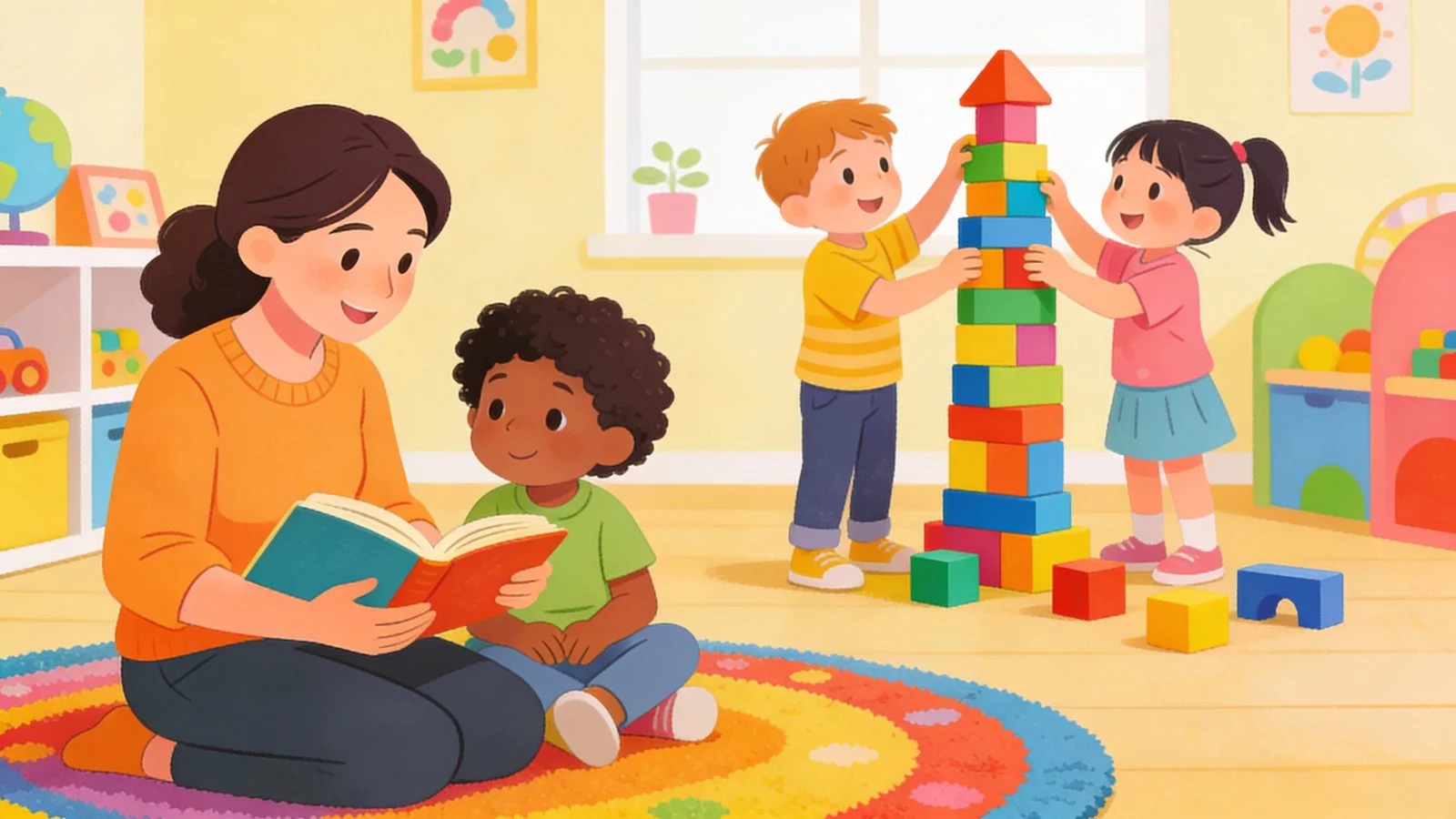
Walk into any preschool classroom and you will see it right away: no two children are alike. One child jumps into every activity, another hangs back to watch, and a third happily sits with a book while the room buzzes around them. At Brilliant Little Minds in Pinellas Park, we see these differences as a strength, not a problem. Our teachers are trained to notice each child’s temperament, needs, and learning style and to respond with patience, warmth, and flexibility so every child can feel safe, seen, and successful.
Families notice this from the very beginning—from our ultimate guide to toddler daycare in Pinellas Park and St. Petersburg through preschool, we emphasize that every child learns and grows at their own pace.
Every Child Is Unique – And That’s a Strength
Young children bring their own mix of personality traits, sensitivities, and ways of learning to the classroom. Some children are naturally more active or intense, while others are quieter, more cautious, or very easygoing. Some learn best by watching, others by jumping in and doing, and others by listening and talking things through.
At Brilliant Little Minds, our goal is not to make every child fit one mold. Instead, we work to understand each child’s unique combination of temperament and learning style so we can support them in a way that feels respectful and effective. When children feel known and accepted for who they are, they are more confident, more engaged, and more ready to explore and learn.
Families who want to see how this connects to feelings and friendships can read our blog on building social-emotional skills in preschool, which explains how we support emotions, relationships, and confidence in our classrooms.
Understanding Temperaments in Early Childhood
Children Can Be Anything From Quiet Observers to Energetic Explorers
Children have different temperaments just like adults. Temperament describes the way humans approach the world—how active they are, how strongly they react, how easily they adapt, and how comfortable they feel in new situations. Experts note that some children are more flexible and easygoing, some are more active or “feisty,” and some are more cautious or slow to warm up.
In a typical preschool classroom, you might see:
A quiet observer who prefers to watch before joining a game
An energetic explorer who runs to the block center as soon as it opens
A cautious child who stays close to the teacher during new activities
A determined child who sticks with a puzzle until every piece fits
All of these temperaments have strengths. Quiet observers often notice details others miss. Energetic children bring enthusiasm and leadership. Cautious children think carefully before acting. Determined children show persistence and focus. Our teachers keep these strengths in mind as they guide behavior, plan activities, and support each child’s growth.
Creating Space for All Temperaments
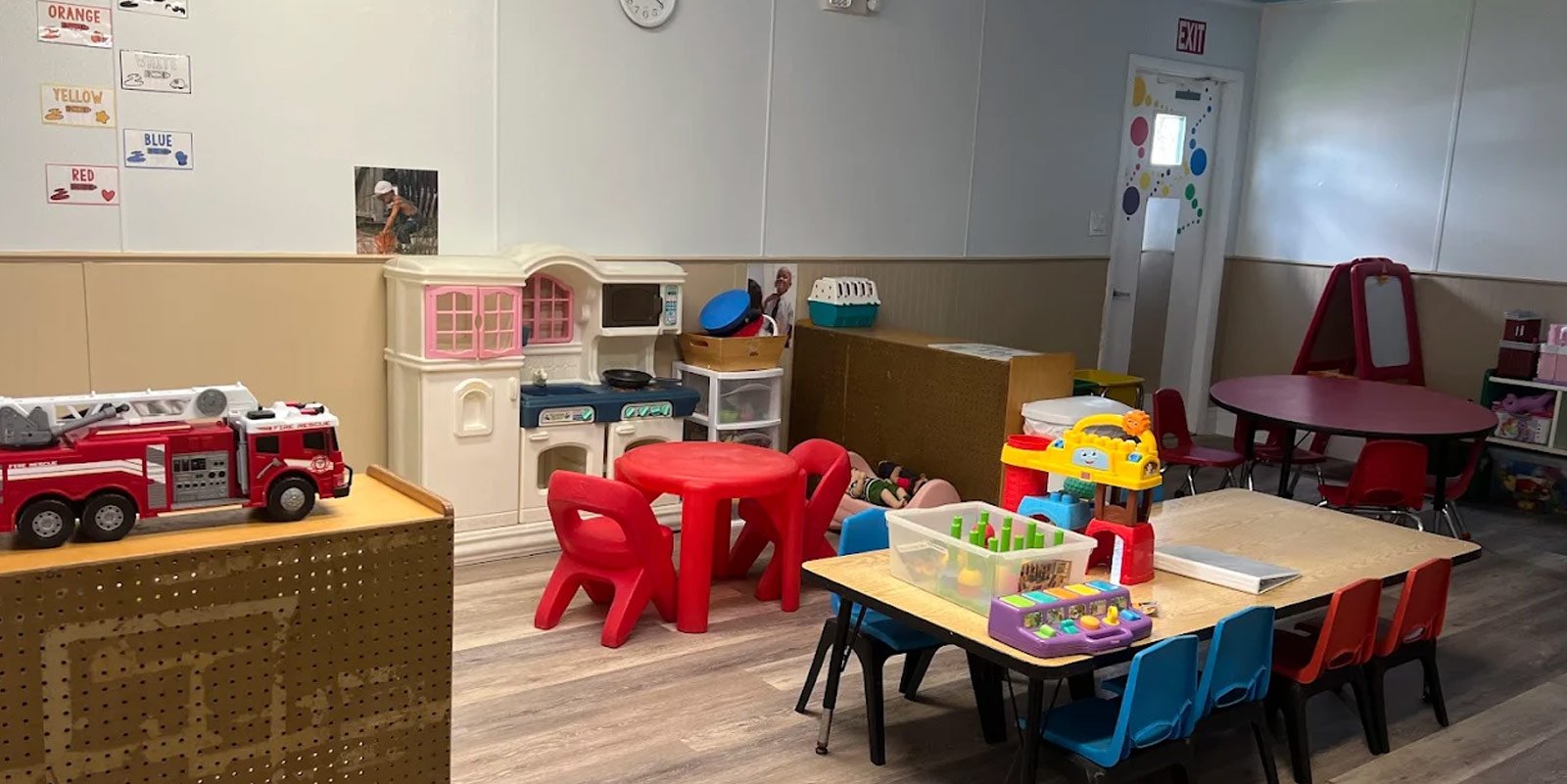
Research on temperament suggests that the “goodness-of-fit” between a child and their environment matters just as much as the temperament itself. That is why our classrooms are intentionally designed to include both active areas and spots that are designed for a more quiet environment. This is so every child can find a space that feels comfortable.
We have:
Open areas kids who like to build things or engage in and dramatic play
Quiet spots with pillows, books, and soft lighting for children who prefer calmer environments
Small tables for focused tasks like puzzles, art, or fine-motor work
Our experienced teachers recognize these traits and work with each child in a way that addresses their specific temperaments. A slow-to-warm child might get extra time to watch before joining a group, while a highly active child might be given classroom jobs, movement breaks, or hands-on tasks that match their energy in positive ways. This balance helps each temperament feel respected and supported.
Responding to Individual Needs With Care
Building Strong Relationships First
The most important tool we have for supporting different temperaments and needs is a strong teacher-child relationship. At Brilliant Little Minds, teachers take time to learn about each child’s routines, preferences, comfort items, and triggers by talking with families and observing carefully throughout the day.
This might include:
Knowing which child needs a hug or a hand to hold at morning drop-off
Remembering that a certain child focuses better after a short “job” like helping set up snack
Understanding that another child might need a familiar stuffed animal or photo nearby during rest time
When children feel that their teacher understands and cares about them, they are more willing to try new things, accept guidance, and talk about their feelings.
Flexibility Within Structure
Young children thrive on predictable routines, but not every child handles transitions or group activities in the same way. Our classrooms follow consistent daily schedules so children know what to expect, while still leaving room for small adjustments to meet individual needs.
For example:
A child who struggles with transitions might get a private reminder a few minutes before clean-up
A child who is overwhelmed by group time might be allowed to sit slightly on the edge or hold a fidget object
A child who needs extra reassurance might get a special job—like line leader or book helper—to feel more secure and included
This “flexibility within structure” helps children feel safe, but not pressured, as they practice new skills and stretch just beyond their comfort zones.
Physical comfort and a healthy environment are part of that support, which we explain in more detail in our post on how we keep children healthy with clear illness policies and cleaning routines.
Families can also see how these routines connect to our programs by visiting our 3–4 year old preschool daycare page to learn what a typical day looks like in our classrooms.
Supporting Different Learning Styles and Strengths
Learning Through Seeing, Doing, and Listening
Children do not all process information in the same way. Early childhood experts describe common learning preferences such as visual (learning by seeing), auditory (learning by hearing and talking), and kinesthetic or tactile (learning by moving and doing). While young children are naturally multi-sensory learners, many show clear strengths in one or more of these areas.
To support different learning styles in preschool, teachers at Brilliant Little Minds:
Use visual supports like picture schedules, labeled shelves, and charts to help visual learners see what is happening and where things belong
Incorporate stories, songs, rhymes, and rich conversations for auditory learners who process information best through listening and speaking
Offer hands-on activities, manipulatives, sensory play, and movement games for kinesthetic learners who need to touch and move to understand
By presenting information in multiple ways, we give every child more than one “entry point” into the learning experience and avoid leaving anyone behind.
Rotating Activities During the Day
Varied learning activities are another way we approach different interests, strengths, and learning styles. Our children are exposed to a variety of learning methods such as:
Blocks and building
Art and collage
Library/book corner
Dramatic play
Science and sensory bins
Math and manipulatives
Rotating materials and themes keeps children engaged and allows them to revisit skills in new ways. A child who loves building might explore math concepts through block towers one week and through patterning games the next. A child drawn to the art center might practice fine-motor skills and storytelling through drawing and collage.
Many of these multimodal experiences are part of our STEAM for little learners and the simple science, math, and art activities we use in the classroom, which help us reach visual, auditory, and hands-on learners in playful ways.
We also use STEAM-inspired activities—like counting while building ramps or exploring textures in sensory bins—to support different learning styles while building problem-solving and critical thinking, as described in our STEAM blog.
Classroom Strategies That Help All Children Thrive
Clear Routines, Visual Cues, and Gentle Guidance
Many inclusive classroom strategies are helpful for all children, regardless of temperament or learning style. At Brilliant Little Minds, teachers:
Use picture schedules so children can see the sequence of the day
Post simple, positive classroom rules (such as “Be kind,” “Use gentle hands,” “Take care of our toys”)
Give clear, consistent reminders about expectations in friendly language
Offer visual or gestural cues (like pointing to a schedule or modeling what to do) to support understanding
When expectations are clear and predictable, children feel more secure and are better able to focus, cooperate, and take part in classroom activities. Gentle guidance—rather than harsh discipline—helps children learn what to do next time instead of simply feeling ashamed or confused.
Small-Group Activities and One-on-One Moments
Whole-group activities like circle time have their place, but they are not always the best fit for every child, especially those with different temperaments or attention needs. That is why our teachers balance large-group times with small-group activities and one-on-one moments.
Small groups allow children to:
Receive more individualized attention and support
Practice social skills in a less overwhelming setting
Work at a pace that fits their needs
One-on-one interactions—such as reading a book together, checking in during arrival, or talking quietly during centers—help teachers build deeper connections and tailor support to each child’s strengths and challenges.
Families can see how these strategies support social-emotional growth in our blog on building social-emotional skills in preschool, which explains how relationships and routines work together in our classrooms.
Partnering With Families About Temperaments and Needs
Open Communication and Shared Strategies
Families know their children best, and effective support requires teamwork. At Brilliant Little Minds, teachers communicate with families through daily updates at drop-off and pick-up, written notes or app messages, and scheduled conferences.
These conversations might cover:
How a child handled a new routine or big transition
Strategies that helped a child calm down or join a group
Activities that a child especially enjoyed or struggled with
Questions about routines, sleep, or behavior at home
When home and school share strategies—for example, using the same calming techniques or consistent language for rules—children feel more secure and learn skills more quickly.
When Additional Support May Be Needed
Sometimes, temperament traits or learning differences may contribute to ongoing challenges with behavior, attention, communication, or peer relationships. If teachers notice patterns that go beyond what is typical for the age or that do not improve with usual classroom strategies, they will talk with families in a caring, respectful way.
Together, we might:
Track specific behaviors over time
Adjust classroom strategies to try new supports
Suggest families talk with their pediatrician for guidance
Explore referrals to early intervention services or specialists if appropriate
The goal is always to support the child—not to label them—and to make sure families are not facing these questions alone. An inclusive early childhood classroom welcomes all children and works proactively to remove barriers to participation and learning.
Families can also support different temperaments and learning styles by visiting family-friendly places near Brilliant Little Minds, including parks, libraries, and activities around Pinellas Park and St. Pete and turning everyday outings into chances to practice social skills and independence.
How Brilliant Little Minds Puts This Into Practice
A “Whole Child” Approach in Pinellas Park
At Brilliant Little Minds in Pinellas Park, we look at the whole child—social-emotional, physical, and cognitive development together—not just academics. Our teachers are trained in early childhood development and positive guidance, and leadership supports them with ongoing professional development focused on inclusion, temperament, and differentiated instruction.
This means we:
Plan lessons that reach multiple learning styles
Design classrooms that welcome different temperaments
Use positive, relationship-based guidance strategies
Monitor each child’s progress across multiple areas of development
Read about our philosophy on building social-emotional skills in preschool, STEAM for little learners and our childcare and preschool guide for families new to Pinellas Park to see how all of these pieces fit together into a cohesive, child-centered experience.
Come See Our Classrooms in Action
Want to learn more about how we support children’s needs and learning styles? Sign up for tour and we’ll be happy to show you our facility and programs for kids of different ages.
You can also talk with our teachers and the school director about your child’s unique traits, what works well at home, and how we can partner with you to support their growth at school.
If you are looking for an inclusive early childhood classroom and preschool in Pinellas Park that provides a great learning environment, we would be honored to meet your family. Visit Brilliant Little Minds to schedule a tour, talk with our director, and learn more about how we can nurture your child’s unique strengths in our infant, toddler, preschool, and VPK programs.
